THE UNTOLD TRUTH Behind Shelley Fabares Timeless Hit Johnny Angel And Why She Walked Away From Music Forever
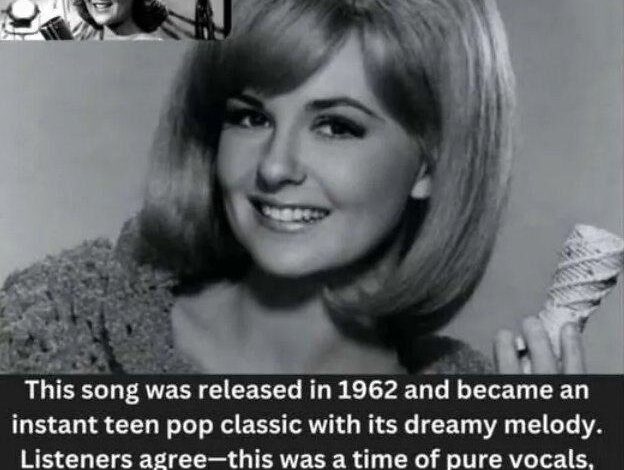
In the vibrant landscape of the early 1960s, American pop culture was undergoing a profound transformation, moving toward a sound that captured the delicate, bittersweet essence of adolescence. At the heart of this movement was a young woman from Santa Monica who would become the voice of a generation’s unspoken longing. Shelley Fabares was already a household name before she ever stepped into a recording studio, having charmed millions of viewers as Mary Stone on the beloved television series The Donna Reed Show. Her wholesome public image made her the perfect vessel for a song that would define an era of innocence. However, the story behind her chart-topping hit Johnny Angel is more than just a tale of musical success; it is a reflection of a specific moment in time when first love was a quiet, sacred experience shared through the crackle of a radio.
Born and raised in the sunshine of Southern California, Fabares was the quintessential girl next door. Her transition from acting to music was not driven by a burning desire to become a pop diva, but rather by the unique demands of 1960s stardom, where multi-talented performers were expected to conquer every medium available. When she released Johnny Angel in early 1962, no one could have predicted the sheer velocity at which it would climb the charts. By April of that year, the track had secured the number one spot on the Billboard Hot 100, a position it held with a tenacity that mirrored the obsession described in the lyrics. The song didn’t just resonate in the United States; it swept across the globe, topping charts in Canada and New Zealand and cementing Fabares as an international sensation.
The magic of the record lay in its emotional sincerity and the high-caliber production that supported Fabares’ tender delivery. To give the track its polished, ethereal sound, producers enlisted the legendary Darlene Love and her group, The Blossoms, to provide backing vocals. Their rich, harmonic textures created a dreamlike atmosphere that perfectly complemented the story of a teenage girl hopelessly in love with a boy who barely knows she exists. This theme of quiet, distance-based admiration was a universal experience for teenagers of the time. In an age before instant messaging and social media, the agony of an unrequited crush was a private, long-form ritual, and Johnny Angel became the anthem for every girl who had ever doodled a name in the margins of her notebook.
Despite the massive success of her debut single, the music industry proved to be a fleeting chapter for Fabares. She followed up her number-one hit with Johnny Loves Me, a sequel of sorts that attempted to capitalize on the momentum of its predecessor. While the song achieved modest success, reaching the top forty, it lacked the lightning-in-a-bottle quality that had made her first record a cultural phenomenon. As the British Invasion began to loom on the horizon and the sound of pop music started to shift toward a more rebellious, high-energy tone, the soft, sentimental style of the early sixties girl-group era began to fade. Fabares, ever the pragmatic professional, recognized that her true calling remained in the world of acting.
Her departure from the music charts was not a defeat, but a strategic return to the craft she loved most. Fabares transitioned back into film and television with an ease that few performers manage. She famously starred alongside the King of Rock and Roll himself, Elvis Presley, in high-profile films like Girl Happy, Spinout, and Clambake. Her chemistry with Presley was undeniable, and she remains one of the few leading ladies to have worked with him in three separate features. This second act in Hollywood proved that she was far more than a “one-hit wonder.” She was a versatile entertainer who understood how to evolve with the changing tides of the industry, eventually finding long-term success on acclaimed television series like One Day at a Time and Coach.
Yet, despite her decades of work on screen, it is the soft, melodic opening of Johnny Angel that continues to trigger a wave of nostalgia for listeners across the globe. The song has achieved a status that transcends its original chart run, becoming a permanent fixture in the soundtrack of the 20th century. It represents a lost world of innocence, a time when the stakes of a first love felt like the center of the universe. In 2026, as we look back on the evolution of pop music, the track stands as a masterclass in emotional storytelling. It captures a specific vulnerability—the willingness to wait, to hope, and to dream of a connection that remains just out of reach.
The lasting appeal of the song also speaks to the enduring charm of Shelley Fabares herself. She brought a genuine warmth to the performance that felt authentic to the teenage experience. She wasn’t playing a character; she was reflecting the heart of every listener who had ever felt invisible. This emotional honesty is why the song still appears in films, television shows, and nostalgic playlists today. It isn’t just a relic of the sixties; it is a timeless reminder of the simplicity of first love and the power of a perfectly crafted pop song.
While modern music often relies on complex production and provocative themes, Johnny Angel remains a testament to the power of a simple, emotional story. It reminds us that at our core, the human experience of love and longing hasn’t changed all that much in sixty years. We still feel the same flutters of excitement and the same pangs of uncertainty that Fabares sang about in 1962. By walking away from her music career at its peak, she preserved the innocence of that era, leaving behind a legacy that is unburdened by the cynicism of the modern industry.
Shelley Fabares’ journey from Santa Monica to the top of the Billboard charts and back to the soundstages of Hollywood is a remarkable narrative of grace and talent. She navigated the pressures of early stardom without losing the wholesome spirit that made her a favorite of audiences everywhere. Johnny Angel remains her gift to the world—a tender, nostalgic rendition of a feeling that everyone has experienced at least once. It is a song that invites us to slow down, to remember our own “angels,” and to appreciate the nostalgic sound of an era that defined the American teenage dream. As long as there are young hearts dreaming of a first love, the voice of Shelley Fabares will continue to echo through the years, proving that some stories never go out of style.