Your Brain and Lungs Are Secretly Fighting to Heal the Second You Put Down the Pipe and the Results After Only Thirty Days Are Jaw Dropping
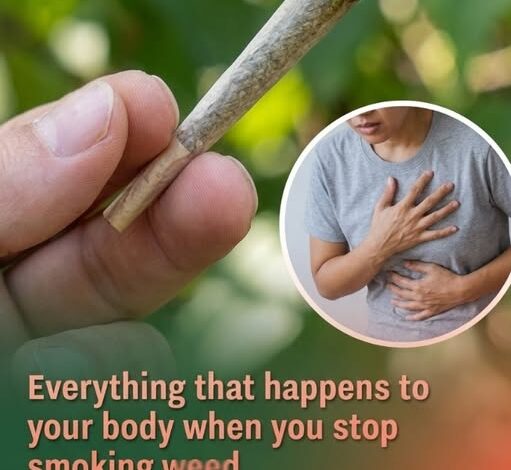
Deciding to quit cannabis—particularly for those who have developed a habit of mixing it with tobacco—can feel like a monumental hurdle. However, the human body is an incredible machine of resilience, and the moment you stop inhaling smoke, a profound biological chain reaction of healing begins. While the initial withdrawal symptoms like irritability and restlessness can be challenging, the physical and mental reset that follows is nothing short of a total system overhaul. From the restoration of your lung capacity to the stabilization of your emotional state, the journey of quitting is a masterclass in the body’s ability to adapt and recover.
The recovery process begins within just a few hours of your last hit. As nicotine and carbon monoxide start to exit the bloodstream, the cardiovascular system receives its first breath of relief. Your heart rate, which often spikes during a smoking session, begins to drop back to a resting state, and blood vessels that were constricted by nicotine start to relax. This initial shift reduces the immediate strain on your heart and can produce a surprising, early sense of physical calm.
By the twenty-four-hour mark, the change becomes even more dramatic. Carbon monoxide is entirely cleared from the blood, which significantly improves the body’s ability to transport oxygen. As oxygen levels return to their natural state, the persistent fatigue often associated with heavy smoking begins to lift. You may notice that breathing feels slightly more effortless and that the “brain fog” typically linked to chronic cannabis use starts to dissipate, replaced by an emerging sense of alertness.
As you move into the first full week of sobriety, the most significant shift occurs in your sleep patterns. Cannabis is known to suppress REM sleep, the stage of the sleep cycle responsible for dreaming and emotional processing. Once the chemical interference is removed, your natural sleep cycles return with a vengeance. While this often leads to vivid or intense dreams, it also means your brain is finally getting the deep, restorative rest it has been craving. This improved sleep is the foundation for better focus, a more stable mood, and the energy needed to navigate the workday without relying on a chemical crutch.
Around the two-week mark, your circulation reaches a new level of efficiency. The blood vessels, no longer under the assault of toxins, begin to repair themselves, allowing nutrient-rich blood to reach your organs and skin more effectively. Many people notice a “glow” returning to their complexion as the skin is properly hydrated from the inside out. Physical vitality increases, making exercise feel less like a chore and more like a natural outlet for your rising energy levels.
By the end of the first month, the lungs take center stage in the recovery narrative. The tiny, hair-like structures called cilia, which were previously paralyzed or destroyed by hot smoke and tar, begin to grow back and resume their job of clearing mucus and toxins from your airways. While this might result in a temporary cough as the lungs “sweep” themselves out, the long-term benefit is a massive increase in lung function. Everyday activities, like climbing a flight of stairs or going for a jog, suddenly feel significantly less demanding.
The long-term mental benefits are perhaps the most rewarding. Over time, the anxiety and mood swings that often plague frequent users begin to even out. Concentration improves, memory sharpens, and the risk of developing smoking-related heart disease plummets. Ultimately, the journey of quitting cannabis is about more than just stopping a habit; it is about reclaiming control over your biology. It proves that no matter how long the habit lasted, the body is always ready to heal, adapt, and return to its most powerful, natural state.