Why You Should Open Your Washing Machine Once a Month!
Modern domestic life is often a symphony of automated conveniences, and perhaps no appliance is more central to the rhythm of a household than the washing machine. We rely on it to strip away the evidence of our daily lives—the dirt from a hike, the spills from a dinner party, and the general wear of a busy week. We load the drum, pour in the detergent, and press a button, trusting that the machine will handle the rest. However, behind the whirling cycles and the scent of fresh linen lies a silent, hardworking component that most homeowners completely ignore until something goes catastrophically wrong: the washing machine filter.
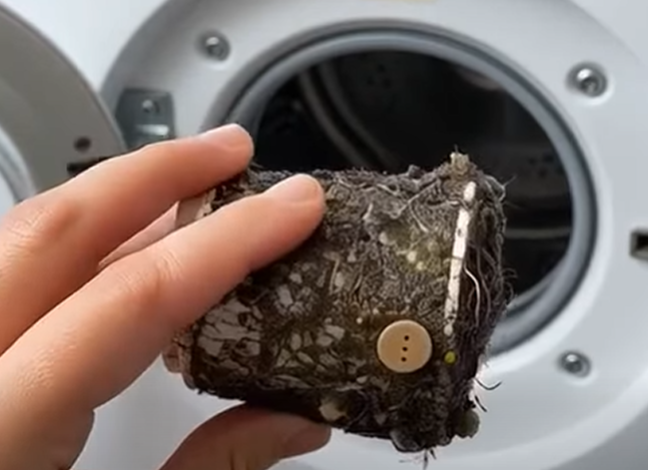
The filter is the unsung guardian of your laundry’s hygiene. Every time a cycle runs, this small, unassuming part acts as a meticulous sieve, catching everything that shouldn’t be in the drainage system. It traps the stray lint from a favorite sweater, the clumps of pet hair that cling to blankets, the loose coins forgotten in pockets, and the thick, waxy residue left behind by overused liquid detergents and fabric softeners. Over weeks and months, this debris accumulates into a damp, compacted mass. If left unattended, this buildup becomes a breeding ground for bacteria and mold, turning a machine meant for cleaning into a source of contamination.
The primary symptom of a neglected filter is often a subtle, lingering scent—a musty, damp odor that persists even after a cycle is finished. You might find that your “clean” clothes emerge with a faint smell of mildew or, even more frustratingly, covered in small flecks of gray lint or undissolved soap scum. This occurs because a clogged filter prevents the machine from draining effectively. Instead of the dirty, soapy water being whisked away completely, a small amount remains trapped in the filter housing, recycling back into the drum during the final rinse. Furthermore, a blocked filter forces the water pump to work significantly harder to push water through the obstruction. This added strain can lead to louder operation, longer cycle times, and eventually, an expensive mechanical failure that could have been avoided with ten minutes of maintenance.
The transition toward a proactive appliance-care routine is surprisingly simple and requires no specialized tools. Once a month, homeowners should perform a “deep check” of their machine, a habit that can add years to the lifespan of the appliance. The first and most critical step is safety: always ensure the machine is powered down and unplugged before beginning. The location of the filter varies by design, but the logic remains the same. On most modern front-loading machines, you will find a small access panel located at the bottom right or left of the front exterior. For top-loading models, the filter might be a removable mesh screen located inside the central agitator or tucked away along the rim of the drum.
Before opening the filter housing, it is wise to lay down a thick towel or a shallow tray. Because the filter sits at a low point in the machine’s plumbing, there is almost always a small amount of residual water—often stagnant and gray—that will spill out when the seal is broken. As you slowly unscrew or unclip the filter, you will likely encounter a “sludge” of lint and hair. While it may be unpleasant, removing this debris is the key to a healthy machine. Rinsing the filter under a stream of hot, running water is usually sufficient to clear the mesh. For more stubborn buildup or calcified detergent, a soft-bristled brush, such as an old toothbrush, can be used to gently scrub the crevices.
Once the filter is clean and the housing has been wiped out with a damp cloth, the machine is ready for a “reset.” This is the perfect time to perform a descaling cycle, which addresses the invisible buildup inside the drum and the internal pipes. While expensive commercial “washer cleaners” are widely available, a simple and highly effective alternative is a cup of white distilled vinegar. Running an empty cycle on the highest temperature setting with vinegar helps to dissolve mineral deposits from hard water and strips away the “scrub” of detergent that lines the outer tub. The acidity of the vinegar acts as a natural disinfectant and deodorizer, leaving the machine smelling neutral and looking bright.
The benefits of this monthly ritual are both immediate and long-term. In the short term, you will notice that your clothes feel softer and smell fresher, as the machine is finally able to rinse them with truly clean water. In the long term, you are engaging in a form of financial self-defense. Most appliance repairs are necessitated by poor maintenance rather than manufacturing defects. A pump that doesn’t have to fight a clogged filter is a pump that will last a decade instead of five years. Additionally, an efficient machine uses less energy and less water, as it doesn’t have to compensate for poor drainage by extending the pump’s run time.
In a broader sense, taking the time to care for the tools that care for us is a hallmark of a mindful home. It is a rejection of the “disposable” culture that suggests we should simply buy a new machine when the current one starts to underperform. By opening your washing machine once a month and tending to its hidden guardian, you are participating in a tradition of stewardship. It is a small, quiet act of maintenance that ensures the heart of your laundry room continues to beat strongly, providing you with the comfort of clean clothes and the peace of mind that comes with a well-maintained home.
The next time you hear your washing machine hum to life, take a moment to consider the silent work being done beneath the surface. That small filter is standing between your wardrobe and a world of lint and odors. By dedicating just ten minutes every four weeks to its care, you ensure that your investment is protected and your laundry remains as pristine as the day you bought it. It is a simple, no-fuss solution that proves, once again, that the most effective household “hacks” aren’t about buying more products, but about understanding and maintaining the ones we already have. After a single month of consistent filter cleaning, the difference in the performance of your machine—and the quality of your clothes—will make this easy task an indispensable part of your domestic routine.