The Tragic Final Act Of Alex Duong Why The Comedy Worlds Brightest Rising Star Was Stolen From Us At The Peak Of His Career
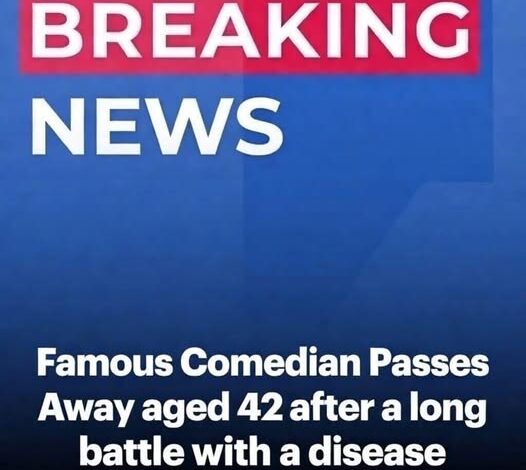
The comedy world is a landscape built on the bones of struggle, a place where the most profound laughter often originates from the deepest wells of pain. Few performers embodied this raw, beautiful contradiction as authentically as Alex Duong. A man whose life was a masterclass in resilience and creative fire, Duong was finally standing on the precipice of the global stardom he had spent a lifetime chasing when tragedy struck. His story is not just one of a career cut short, but of a man who transformed every obstacle—from the immigrant experience to a terminal medical diagnosis—into a bridge of connection with his audience. Today, as his fellow comedians and fans mourn his passing at the age of 42, the legacy he leaves behind is a powerful testament to the strength of the human spirit and the healing power of a well-timed joke.
Born in Dallas as the youngest of six children in a tight-knit family, Alex Duong’s journey was shaped from the start by the complexities of identity and the weight of high expectations. Growing up in a household where ambition was the primary currency, he was the dreamer among pragmatists. His path into the entertainment industry was not paved with ease; it was forged through a series of high-stakes risks that would have broken a lesser spirit. The first major gamble came when he walked away from the security of his education to pursue a screenplay opportunity. While that specific project didn’t result in the blockbuster debut he had envisioned, it served a more important purpose: it confirmed his persistence. It was the moment Alex Duong decided that a “traditional” life was not for him, and that he was willing to suffer for his art.
That suffering eventually led him to the gritty, neon-soaked stages of the Los Angeles comedy scene. Standing at the mic at legendary venues like the Comedy Store, Duong began to hone a voice that was unlike anything else in the circuit. He didn’t rely on cheap gimmicks or surface-level observations; instead, he mined his real-life struggles for material. He spoke about the immigrant experience, the absurdity of family dynamics, and the grueling nature of the “hustle” with an emotional depth that caught people off guard. Audiences didn’t just laugh at his jokes; they connected with the bruised honesty behind them. He possessed that rare, magnetic quality that allowed him to make a room of five hundred strangers feel like they were sitting in his living room, sharing a private secret.
After years of grinding in the clubs, the industry finally began to take notice. His career gained a sudden, exhilarating momentum. He began booking television roles, including a notable guest appearance on the long-running drama Blue Bloods, proving his range as a performer. But the true “arrival” moment—the one every comedian dreams of—came when he was tapped to tour with international comedy powerhouse Ronny Chieng. For Duong, this wasn’t just a job; it was the ultimate validation. It was the universe finally nodding in approval at the decades of effort, the missed meals, and the late-night drives between sets. He was ready to take his place among the greats, his bags packed for a journey that was supposed to be his victory lap.
But the universe is often cruelest to those who are closest to the sun. In 2025, just as his breakthrough was manifesting, Duong began to experience troubling physical symptoms. What he initially hoped was the result of the physical toll of touring turned out to be something far more sinister. He was diagnosed with alveolar rhabdomyosarcoma, an incredibly rare and aggressive form of cancer that typically affects soft tissue. The news was a physical and emotional earthquake. Almost overnight, his reality shifted from drafting setlists and checking tour dates to navigating the sterile, terrifying world of oncology wards and aggressive medical treatments. The financial strain of the American healthcare system added a secondary layer of stress to an already impossible situation, yet Duong refused to retreat into the shadows.
In a move that defined his character, Duong chose to be radically open about his battle. Even as the illness began to steal his physical independence and ravage his body, he held onto his humor like a lifeline. He posted updates that were simultaneously heartbreaking and hilarious, using his comedic timing to strip the cancer of its power to intimidate him. He found a way to make fun of the indignities of hospital life, proving that while the disease could take his strength, it could never touch his wit. This vulnerability created a massive groundswell of support within the comedy community. His peers—many of whom were now household names—rallied around him, organizing fundraisers and visiting his bedside, reflecting the deep, familial bonds that exist in an industry often dismissed as cutthroat.
Throughout this harrowing final chapter, Duong’s North Star remained his family. He was, at his core, a devoted husband and a father who viewed his roles at home as far more significant than any credit on IMDb. His battle with cancer was fueled by a desperate, beautiful desire to steal as many moments as possible with the people he loved most. Even when he could no longer stand on a stage, he was still performing for his children, ensuring that their memories of him would be filled with laughter rather than just the clinical silence of a sickroom. He showed his family, and the world, that a life is measured not by its length, but by the intensity of the light it gives off while it is burning.
When the end finally came, the silence was deafening. The passing of Alex Duong at 42 ended a career that was undeniably on its way to the top, but it left behind a legacy that is much larger than comedy. He was a man who lived authentically in an industry of masks. He was a performer who understood that the best way to honor an audience is to tell them the truth, even when the truth is painful. His story remains a powerful narrative of strength and compassion, a reminder that the most successful people are those who carry their humanity into every room they enter.
Alex Duong may have been silenced too soon, but the echoes of his laughter—and the laughter he inspired in others—will continue to ring out in the clubs of Los Angeles and the hearts of everyone who knew him. He proved that a rising voice can never truly be extinguished if it spoke with honesty. He was a son of Dallas, a king of the Comedy Store, and a hero to his family. In the end, he didn’t just tell jokes; he told us who we were, and he did it with a smile that even the darkest circumstances couldn’t dim. The curtain has fallen on his final act, but the standing ovation for Alex Duong is far from over.