The Tiny Spotted Parasite That Could Change Your Life and the Urgent Steps You Must Take After a Bite
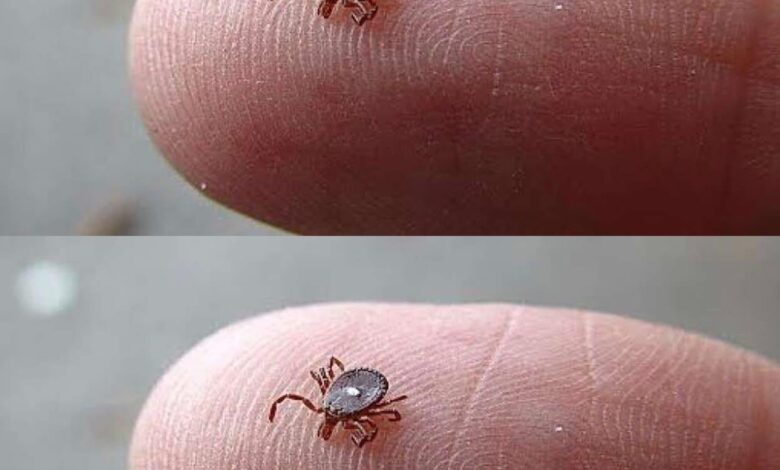
The discovery of a Lone Star tick is rarely a calm affair. For most, it begins with a moment of icy realization—a small, dark speck on the skin that doesn’t belong. In that split second, the mind races through a checklist of biological horrors. When I first spotted one, my hands were shaking so violently that I had to force a rhythmic breath just to steady them. Armed with nothing but fine-tipped tweezers and a surge of adrenaline, I performed the delicate surgery of removal. The goal is simple but high-stakes: pull the tick straight out with steady, even pressure to ensure the mouthparts don’t remain embedded, turning a simple bite into a localized infection.
Once the intruder was out, the real work began. I scrubbed the area with antiseptic, feeling every sting of the soap as a reminder of the vulnerability of the human body. I sealed the tick inside a plastic bag—a tiny, trapped evidence of the encounter—and meticulously recorded the date, the time, and the exact location on my body where it had latched. That night, sleep was a distant luxury. Every phantom itch felt like a new attachment, and every twinge of muscle felt like the onset of a systemic disaster.
In the days that followed, my routine shifted from domestic comfort to clinical observation. I became an obsessive inspector of my own skin, searching for the tell-tale signs of trouble: the expanding red rash, the sudden onset of fever, or the deep, bone-weary aches that signal a tick-borne illness. But the vigilance didn’t stop with me. I spent hours combing through my dog’s fur, searching for any stowaways that might have hitched a ride into our sanctuary. It was a tedious, exhaustive process that highlighted just how much our outdoor environment had changed.
This encounter served as a harsh wake-up call, forcing a total transformation in how my family interacts with the world outside our door. The casual attire of summer—shorts and sandals—was replaced by the protective armor of long sleeves and pants, even during the hottest afternoons. We learned the “tuck and spray” method, ensuring that every gap in our clothing was sealed and every inch of exposed skin was guarded by repellent. The yard, once a wild meadow of tall grass and wildflowers, was trimmed low to the ground, removing the humid hiding spots where ticks thrive.
The reality of the Lone Star tick is particularly daunting because of its potential to cause Alpha-gal syndrome—a life-altering allergy to red meat. This isn’t just about a temporary fever; it is about a fundamental shift in one’s biology. Realizing that a single insect can rewrite your dietary future is enough to induce a permanent state of anxiety. However, as the days turned into weeks and my health remained stable, that paralyzing fear began to evolve into something more productive.
Vigilance replaced helpless panic. We began to view our backyard not as a battlefield, but as a managed environment where we could still find joy, provided we followed the rules of engagement. Protecting your family from these silent invaders requires more than just luck; it requires a commitment to education and preparation. The fear never entirely disappears—nor should it. That lingering spark of concern is what keeps the tweezers ready, the grass short, and the repellent applied. In the end, the encounter didn’t take away our love for the outdoors; it simply gave us the tools to navigate it with our eyes wide open.