The Secret Language of Cravings, What Your One Dealbreaker Food Ingredient Says About Your Soul
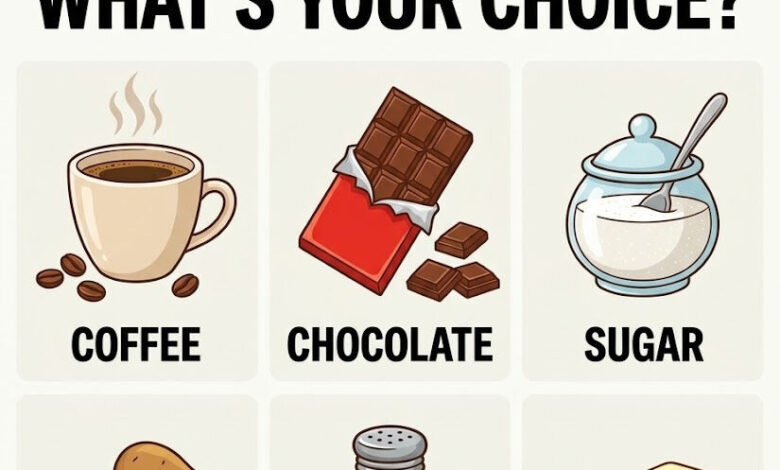
It starts as a harmless hypothetical question at a dinner party, but it quickly evolves into a psychological deep dive: If you had to strike one ingredient from your life forever, which one would it be? At first glance, your answer seems like a simple matter of taste buds and dietary preference. But food is never just fuel. It is a complex tapestry of comfort, habit, and identity. The things you are willing to sacrifice—and the ones you refuse to let go—function as a hidden map of your personality, revealing the silent priorities that govern your daily life.
Psychologists have long noted that while big life decisions define our path, it is the small, repetitive choices that define our character. Food is our most consistent daily ritual, and our relationship with it mirrors our internal landscape. Are you a seeker of short-term dopamine, or a strategist focused on long-term stability? Do you crave the safety of tradition, or do you thrive on the edge of adaptation? By examining what you can live without, we can uncover the traits you lean on to navigate the world.
For those who find it easiest to walk away from sugar, the internal engine is one of high-level discipline. If you can banish the sweetness without a second thought, you are likely a goal-oriented strategist. You possess the rare ability to sacrifice immediate, fleeting pleasure for the sake of a long-term vision. You are the person who thinks three steps ahead, prioritizing self-control over impulse. In your world, health and clarity are the ultimate currencies, and you aren’t afraid to edit out the “fluff” to reach your peak performance.
On the other hand, giving up salt suggests a radically different internal makeup. Salt is the universal enhancer; it makes everything “more.” If you can let it go, you are likely an incredibly adaptable and flexible person. You don’t rely on external “seasoning” to find satisfaction in your experiences. You are less attached to rigid routines and more focused on the core essence of a situation. While others are frantic when things aren’t “just right,” you have the psychological agility to adjust your expectations and find contentment in the middle of change.
Then there are the “comfort” categories: bread and cheese. Bread represents the bedrock of familiarity and routine. If you can give up the “staff of life,” you are likely a fierce independent. You aren’t someone who follows tradition just because it’s there; you prefer to forge your own path, unburdened by the habits of the collective. Conversely, giving up cheese—the ultimate symbol of indulgence and richness—marks you as a practical, balanced realist. You are less emotionally driven and more focused on stability. You don’t chase the “highs” of sensory pleasure, preferring a life that is steady, reliable, and grounded in logic.
Perhaps the most telling response is the refusal to give up anything at all. If your answer is a defiant “none,” you are a person of strong mind and immense confidence. You view limitations as an affront to your autonomy. You value total control over your choices and resist any pressure to conform to artificial boundaries.
While these insights aren’t a scientific diagnosis, they act as a fascinating reflection of our tendencies. Viral personality quizzes work because they connect our mundane behaviors with our deeper emotional triggers. The next time you sit down for a meal, look at your plate not just as a collection of ingredients, but as a mirror. What you choose to keep tells the story of who you are, and what you’re willing to lose tells the story of who you intend to become.