Texas Political Runaways Face Financial Ruin as GOP Hammers Down With Unprecedented Penalties and Frozen Bank Accounts
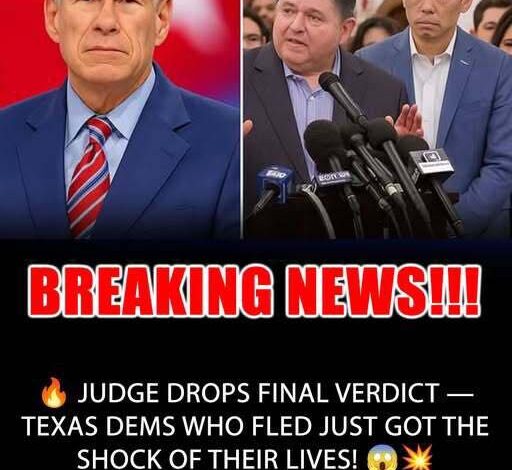
The high-stakes game of political chicken in the Texas Capitol has officially reached a brutal breaking point. What began as a dramatic exodus—a group of lawmakers fleeing the state to paralyze the legislative process—has transformed into a financial nightmare that is threatening to dismantle careers and personal lives alike. The silent signal that the rules of engagement had shifted arrived not with a gavel, but with the sudden freezing of bank accounts. In a ruthless display of institutional leverage, Texas Republicans have moved to cut off the direct deposits of the runaway Democrats, effectively turning their political protest into a battle for their own survival.
The strategy is as surgical as it is severe. By treating the lack of a quorum as a breach of duty punishable by more than just words, the state has initiated a system of mounting fines that grow more suffocating by the hour. Lawmakers who are currently outside the state borders are being slapped with penalties of five hundred dollars a day. It is a meter that no one can shut off, a ticking clock that is rapidly draining the personal savings of those who thought they could outlast the majority. As these fines compound, the conversation in the legislative offices has shifted from policy debate to personal insolvency.
For the fleeing lawmakers, the consequences have bled far beyond the walls of the statehouse. Careers that were built over decades are now dangling by a thread, and the strain is beginning to fracture the domestic lives of the representatives involved. Marriages are being tested by the sudden disappearance of income and the looming threat of long-term debt. Political futures that once seemed certain are now clouded by the reality that a prolonged absence could lead to professional ruin. The GOP leadership has made it clear that the pressure will not let up until the floor is full, and they are using the power of the purse to ensure that every day spent away from the Capitol comes with a life-altering price tag.
Critics of the move argue that the state is weaponizing financial hardship to suppress dissent, turning a legitimate—if controversial—political maneuver into a form of economic warfare. They claim that by targeting the personal livelihoods of elected officials, the majority is setting a dangerous precedent that could haunt future sessions regardless of which party holds the power. However, supporters of the fines maintain that the primary duty of a legislator is to show up and vote. From their perspective, if a lawmaker chooses to abandon their post and halt the wheels of government, they should not be entitled to the taxpayer-funded benefits and salary that come with the job.
As the standoff enters its most volatile phase, the impossible choice facing the runaway Democrats has become the central drama of Texas politics. Do they return to the floor to face an inevitable defeat on the legislation they despise, or do they stay in exile and watch their personal lives disintegrate under the weight of state-sanctioned fines? The Republican leadership is betting that even the most fervent political convictions have a price, and that the sound of a bank account emptying is louder than any protest slogan.
The country is watching to see who will blink first in this war of attrition. Minnesota may have its own political milestones, and Washington may have its grand theaters, but in Texas, the battle is being fought in the ledgers and bank statements of those who chose to run. As the direct deposits remain frozen and the fines continue to climb, the message from the Texas GOP is clear: in the Lone Star State, breaking the rules of the house doesn’t just cost you your seat—it might cost you everything you own.