Shocking Viral Simulation Reveals Exactly What Happens to Your Organs After Decades of Daily Cannabis Use
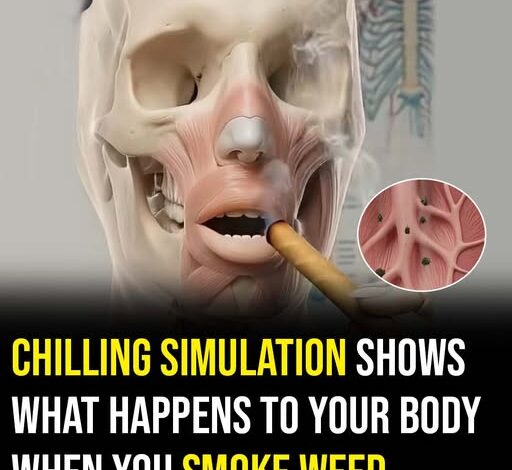
As cannabis decriminalization sweeps across the globe, the substance is often marketed as a harmless, natural alternative for relaxation. However, a viral simulation shared by medical influencer Dr. Boogie is forcing millions to confront the “ugly” side of daily consumption. The video, which has ignited a massive debate on social media, utilizes advanced digital modeling to track the long-term biological erosion that occurs when a person smokes marijuana every day for a lifetime. It moves past the cultural hype to deliver a clinical look at how THC and smoke inhalation systematically alter the brain, heart, and lungs.
The simulation begins at the moment of inhalation, showing how the lungs and airways are immediately irritated by hot smoke. Within minutes, Tetrahydrocannabinol (THC) crosses the blood-brain barrier, binding to receptors that trigger the initial euphoria and altered sensory perception. While this “high” is the goal for recreational users, the video illustrates a darker secondary process: the rapid development of tolerance. Over time, the brain’s receptors become desensitized, requiring the user to consume larger quantities to achieve the same effect. This constant saturation can lead to structural changes in the areas of the brain responsible for memory, learning, and complex decision-making.
Perhaps the most alarming segment of the simulation focuses on the pulmonary system. The video visually demonstrates how chronic exposure to cannabis smoke damages the delicate linings of the lungs, mirroring the effects often seen in heavy tobacco users. Over years of daily use, this leads to chronic bronchitis, increased phlegm production, and significant airway inflammation. While many believe that “weed” is cleaner than cigarettes, the simulation clarifies that the combustion of any organic material introduces carcinogens and irritants that compromise respiratory integrity.
The cardiovascular system is not spared either. Daily use is shown to persistently raise the heart rate and place significant strain on blood vessels. The simulation references mounting medical research that links long-term, heavy cannabis use to an increased risk of heart failure, stroke, and heart attacks, particularly in users with underlying vulnerabilities. This physiological stress is compounded by the mental health risks highlighted in the video, which include a heightened potential for dependency, chronic anxiety, and even psychotic symptoms in individuals genetically predisposed to mental health struggles.
What makes this simulation particularly striking is its focus on the “age of start.” It warns that those who begin daily use during adolescence—a critical period for brain development—may face permanent cognitive impacts and reduced brain volume in executive function centers. The “kitchen-table” reality is that while the drug may be legal in many jurisdictions, its biological cost is cumulative and, in some cases, irreversible.
However, the video concludes with a glimmer of hope. It emphasizes that the human body possesses a remarkable capacity for healing, and many of these adverse effects begin to improve or even reverse shortly after a user quits. The simulation isn’t just a warning; it’s an appeal for moderation and professional medical consultation. By stripping away the smoke and mirrors of the recreational industry, Dr. Boogie provides a sobering reminder that while the rules of the law may have changed, the rules of biology remain as rigid as ever. The message is clear: the high of the moment may not be worth the structural toll of a lifetime.