Scientists Discover Why Most Men Are Attracted to Shorter Women and the Truth About Height in Relationships Is Not What You Think
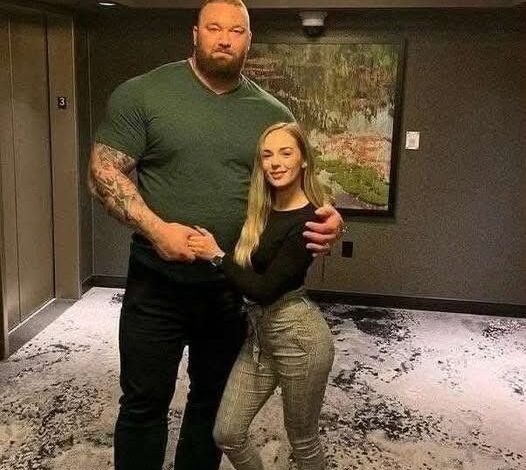
The complex dynamics of human attraction have long been a subject of intense debate, but recent scientific data is finally shedding light on how physical dimensions dictate our romantic destinies. According to a comprehensive study published in Frontiers in Psychology, height is not just a superficial detail; it is a powerful evolutionary indicator that significantly impacts romantic choices across nearly every culture on the planet. The research suggests that our preferences for a partner’s stature are deeply rooted in biological signals that have governed human pairing for millennia.
One of the most consistent findings in the research is that men tend to show a marked preference for shorter women. This pattern is not limited to specific regions but is seen globally, suggesting an evolutionary basis rather than just a modern social trend. According to researchers, this preference often relates to perceived traits of youthfulness and approachability. In a biological context, shorter stature can be subconsciously associated with high levels of estrogen and reproductive health, signaling a window of vitality that men are evolutionarily hardwired to seek out. Furthermore, a height differential often creates a psychological sense of “nurturing potential,” where the man feels a greater drive to provide and care for a partner who appears physically less imposing.
On the other side of the equation, the study confirms that women overwhelmingly favor taller men. This preference is frequently linked to ancient associations between height and the ability to offer strength, protection, and social dominance. In the eyes of evolutionary psychology, a taller man is often perceived as having better access to resources and a greater ability to defend his family from external threats. While modern society has replaced physical combat with professional success, the primitive part of the brain still interprets a towering height as a sign of high status and leadership. These traits are found to matter most when individuals are seeking long-term, committed relationships, though they continue to influence the snap judgments made in casual dating and on digital apps.
However, the study also highlights that these preferences are not set in stone and can shift depending on the specific context of the relationship. A man’s criteria for a short-term or casual partner may differ significantly from the traits he prioritizes for a lifelong commitment. For instance, while height might be a primary filter during the initial “swipe” phase of dating, it often takes a backseat to personality, shared values, and emotional intelligence as a relationship matures.
The researchers stress that while these broad trends exist, individual variation remains significant. Our modern attraction is a sophisticated cocktail of biology, cultural upbringing, personal experience, and individual personality. In many cultures, shifting gender roles and the rise of emotional intimacy as a primary relationship goal are beginning to challenge these traditional height-based norms. Factors such as the height of one’s own parents or even the socioeconomic environment of one’s upbringing can alter what a person finds attractive in a mate.
Ultimately, while the data proves that we are still influenced by the primal urges of our ancestors, human connection remains a multifaceted mystery. Knowing that men might gravitate toward approachability or that women might subconsciously seek a protector provides a fascinating lens through which to view the dating world. However, it is the unique spark between two individuals—regardless of the inches between their heads—that truly determines the success of a bond. As science continues to map the geography of the human heart, it becomes clear that while height may get someone noticed, it is character that keeps them there.