REVENGE IN BLOOM My Neighbors Caught Me On Camera So I Staged A Fake Murder To Ruin Their Lives
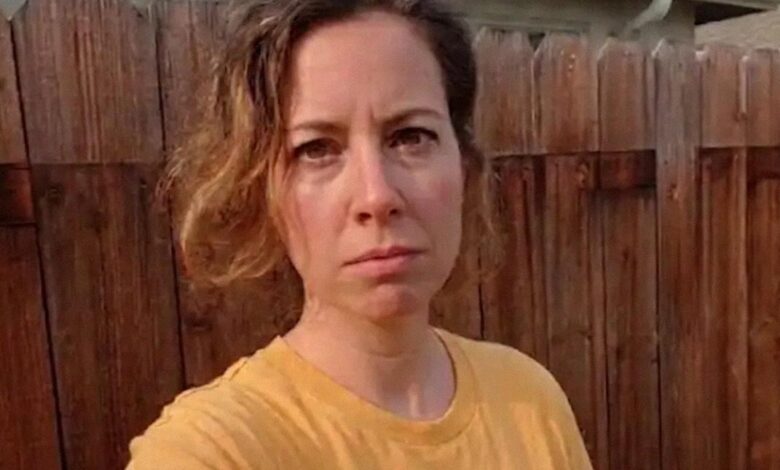
Maintaining a peaceful existence in a modern neighborhood often requires a delicate balance of shared respect and unspoken boundaries. However, as technology becomes more accessible, those boundaries are increasingly being breached by the very people living right next door. For Zoe, a dedicated gardener who found solace in the quiet tending of her tomato plants, that peace was shattered the moment she spotted a small black lens tucked under the eaves of her new neighbors’ home. Carla and Frank, who had moved in with a nervous energy and a self-described obsession with “security,” had bypassed the usual neighborhood pleasantries in favor of something far more invasive. They hadn’t just installed a security system; they had aimed a high-definition camera directly into Zoe’s private backyard, turning her sanctuary into a monitored set.
When Zoe first confronted Frank about the camera, his response was a chillingly casual dismissal of her rights. He claimed the device was necessary to ensure no one climbed the fence, an excuse that felt hollow given that the camera was positioned to capture every square inch of Zoe’s leisure space. Carla was even colder, asserting that their “right to protect property” trumped Zoe’s right to walk through her own garden in a swimsuit without being recorded. Zoe left the encounter fuming, realizing that a legal battle would be a draining, expensive, and prolonged nightmare. If the neighbors wanted to watch a show, she decided, she was going to give them one they would never forget.
The plan was born from a mix of indignation and creative flair. Zoe called upon her closest friends: Samantha, an actress with a flair for the dramatic; Miguel, a special effects enthusiast; and Harriet, a woman whose wardrobe consisted of more costumes than everyday clothes. Together, they designed a performance that would blur the lines between a chaotic party and a gruesome crime scene, all calibrated to trigger the “security-conscious” paranoia of the people next door. On a sunny Saturday afternoon, the crew assembled in Zoe’s backyard, decked out in a surrealist collection of neon wigs, scuba suits, tutus, and capes.
The “performance art” began with intentional absurdity. The group engaged in loud, boisterous dancing and bizarre games, ensuring they remained squarely within the camera’s field of vision. They shouted nonsensical updates about their lives, creating a frantic, high-energy atmosphere that was impossible to ignore. But as the afternoon progressed, the tone took a sharp, dark turn. On cue, Zoe let out a blood-curdling shriek, pointing toward Samantha. Miguel, playing the part of a deranged pirate, brandished a rubber knife dripping with high-viscosity ketchup. Samantha collapsed onto the grass with a theatrical thud, “blood” pooling around her as the rest of the group began to run in panicked circles, screaming about “hiding the body” and “escaping the law.”
The psychological impact on the neighbors was instantaneous. Zoe caught the twitch of a curtain—the unmistakable sign that Carla and Frank were glued to their monitors, watching what they believed was a genuine homicide unfolding in real-time. The air in the garden grew thick with the group’s simulated adrenaline, and the tension reached a breaking point when the sound of real sirens began to wail in the distance. The group scrambled inside, scrubbing the ketchup from the lawn and discarding their neon costumes in a flurry of activity. By the time the local police arrived at the front door, the scene was one of domestic tranquility: four friends sitting around a dining table, looking like the picture of innocence.
When the officer explained that they had received a report of a violent felony at the residence, Zoe delivered the performance of her life. She feigned a look of pure, unadulterated shock, eventually letting “realization” dawn on her face. She explained that they were simply a group of amateur actors practicing improv for a local community project. The officer’s confusion quickly turned to suspicion when she looked at the high fences and asked how anyone could have seen the “crime.” Zoe seized the moment, leading the officer to the backyard and pointing out the neighbors’ camera.
The investigation shifted focus with lightning speed. The police moved next door to confront Carla and Frank, whose panicked expressions were visible from Zoe’s window. While the neighbors had thought they were “protecting their property,” they had actually crossed the line into illegal surveillance. In many jurisdictions, recording a neighbor’s private backyard where there is a reasonable expectation of privacy constitutes a serious breach of privacy laws. The police confiscated the camera equipment and the storage drives, which revealed weeks of unauthorized recordings of Zoe’s private life.
The aftermath of the “garden party” was swift and decisive. Carla and Frank were hit with criminal charges related to illegal surveillance and voyeurism. The social cost was even higher; the shame of being caught spying on their neighbor—coupled with a police raid—made their stay in the neighborhood untenable. Within a week, Zoe watched from her porch as a moving truck arrived. The neighbors who had tried to steal her privacy were fleeing the community, suitcases in hand, unable to face the woman who had outplayed them at their own game.
While some might argue that a fake murder was an extreme response, Zoe’s “savage lesson” highlighted a growing concern in the digital age: the weaponization of home security. According to recent privacy advocacy data, complaints regarding neighbor-to-neighbor surveillance have risen significantly with the advent of smart-home technology. In the United States, several states have enacted “Peeping Tom” laws that specifically criminalize the use of cameras to view or record people in areas where they expect privacy, such as fenced backyards or bathrooms. Violations of these statutes can result in heavy fines and even jail time.
As a new, cheerful couple began to unload boxes into the house next door, Zoe returned to her tomatoes with a renewed sense of ownership. She had taught the neighborhood a lesson without ever stepping foot in a courtroom. She proved that while a camera can capture an image, it cannot capture the truth of a person’s spirit. Zoe had reclaimed her garden, her privacy, and her peace of mind, all while discovering a hidden talent for the dramatic. The “security-conscious” neighbors were gone, replaced by the laughter of people who didn’t need a lens to feel safe. Sometimes, the only way to deal with a nosy neighbor is to give them exactly what they’re looking for—and then make them regret ever watching.