Nanas Simple Trick to Sparkling Ovens!
In the realm of domestic management, there are few tasks regarded with as much universal disdain as cleaning the oven. It is a chore that typically involves contorting one’s body into awkward positions, inhaling the acrid fumes of caustic degreasers, and engaging in back-breaking labor to scrape away layers of carbonized food and ancient grease. For generations, the standard solution has been the use of heavy-duty chemical sprays—substances so potent they require rubber gloves, open windows, and a warning to keep children and pets at a safe distance. However, as modern homeowners move toward more sustainable and less toxic living, the “old ways” of the household are being rediscovered. Among these rediscovered gems is Nana’s simple, ingenious trick for a sparkling oven, a method that relies on the subtle power of steam rather than the brute force of chemicals.
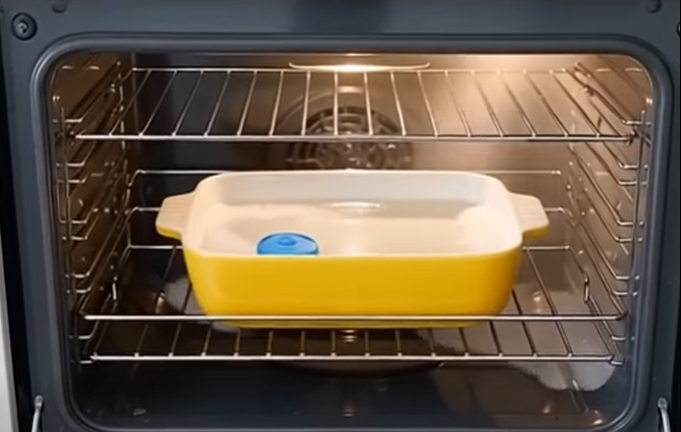
This traditional approach to kitchen maintenance is rooted in a philosophy of efficiency and gentleness. It acknowledges that the primary obstacle to a clean oven is the way heat bonds organic matter to the metal surfaces, creating a stubborn, porcelain-like layer of grime. Rather than fighting this bond with acid or abrasives, Nana’s method uses heat as a collaborator. The entire process requires only three humble items that are likely already sitting in your kitchen cabinets: a standard dishwashing detergent pod, a heatproof casserole dish, and a sufficient amount of water. By repurposing the concentrated cleaning agents found in a dishwasher pod and combining them with the penetrating power of water vapor, you can transform the interior of your oven from a scorched mess into a pristine surface with remarkably little physical effort.
To begin this restorative process, the oven must first be preheated to a low, steady temperature of 200°F. This specific heat level is crucial; it is warm enough to facilitate the evaporation of water and activate the specialized enzymes within the detergent, but not so hot that it creates a safety hazard or causes the water to boil away too rapidly. While the oven reaches its target temperature, you prepare the cleaning solution by filling a glass or ceramic casserole dish with water and dropping in a single dishwashing pod. These pods are marvels of modern chemistry, containing surfactants designed to break down fats and proteins—the very components that make up the burnt-on spills at the bottom of an oven.
Once the oven is ready, the dish is placed on the middle rack, and the door is sealed shut. For the next hour, a silent transformation takes place. As the water heats, it begins to release a steady stream of moisture-laden air into the oven’s cavity. This steam permeates the porous structure of the baked-on grease, rehydrating it and loosening its grip on the enamel. Simultaneously, the vaporized cleaning agents from the pod are carried by the steam, settling on the walls, ceiling, and floor of the oven. These enzymes go to work on a molecular level, digesting the stubborn oils and food particles. This “steam-and-pod” phase effectively turns the oven into a self-cleaning sauna, doing the hard work of breaking down the mess while the homeowner is free to attend to other matters.
After the hour has passed and the oven is turned off, a short cooling period is necessary to ensure safety. When the surfaces are still warm but no longer hot to the touch, the real magic becomes apparent. Upon opening the door, the once-solidified grime will have been reduced to a soft, sludge-like consistency. At this point, the arduous scrubbing that usually defines oven cleaning is replaced by a simple wiping motion. Using a clean, damp cloth or a soft sponge, you can glide over the interior surfaces, lifting away the residue with ease. For particularly neglected ovens or spots where a spill was exceptionally thick, a soft-bristled brush or a second application can be used to finish the job, but the physical strain is negligible compared to traditional methods.
The benefits of adopting this gentle cleaning ritual extend far beyond mere aesthetics. Traditional oven cleaners often leave behind a chemical residue that can linger long after the task is finished. When the oven is next used for cooking, these residues can vaporize, potentially affecting the flavor of the food and releasing unpleasant odors into the home. Nana’s method, by contrast, is entirely family-safe and leaves the kitchen smelling fresh rather than clinical. Furthermore, by avoiding the “High Heat” self-clean cycle found on many modern appliances—which can reach temperatures of over 800°F—you protect the oven’s sensitive electronic components and door seals from the risk of heat damage, potentially extending the lifespan of the appliance.
Maintaining a clean oven through this method also serves a practical safety function. Accumulated grease is one of the leading causes of kitchen fires; as fats are repeatedly heated, they reach a point where they can spontaneously ignite. By implementing this simple cleaning trick on a regular monthly basis, homeowners can significantly reduce fire risks. Additionally, a clean oven operates more efficiently. Dark, greasy surfaces absorb heat differently than clean ones, and a buildup of grime can interfere with the accuracy of the oven’s temperature sensors. A sparkling interior ensures that heat is reflected and circulated as intended, leading to more consistent baking results and better-tasting meals.
In an era where we are constantly marketed expensive, specialized gadgets and “miracle” cleaning solutions, there is a profound satisfaction in returning to a method that is both low-cost and highly effective. Nana’s trick proves that the best solutions are often born from a combination of common sense and patience. It reminds us that we don’t always need to fight against our home’s challenges; sometimes, we just need to change the environment to make the problem easier to solve.
The transition toward these types of practical, mindful home-care techniques reflects a broader cultural shift. People are increasingly looking for ways to reclaim their time and protect their well-being. By reducing a dreaded three-hour ordeal to a ninety-minute passive process, this method allows for a more relaxed approach to housework. It transforms the kitchen from a place of labor into a place of sanctuary. The next time you look through your oven door and see the inevitable signs of a life well-lived—the drips from a Sunday roast or the overflow from a berry cobbler—you don’t have to meet the sight with a heavy heart. With a dish, a pod, and a little bit of steam, you can restore the heart of your home to its former glory, honoring the timeless wisdom of the generations who knew that a little bit of cleverness goes a long way toward a happier household.