Experts Warn! Remove This Item From Your Vehicle Now
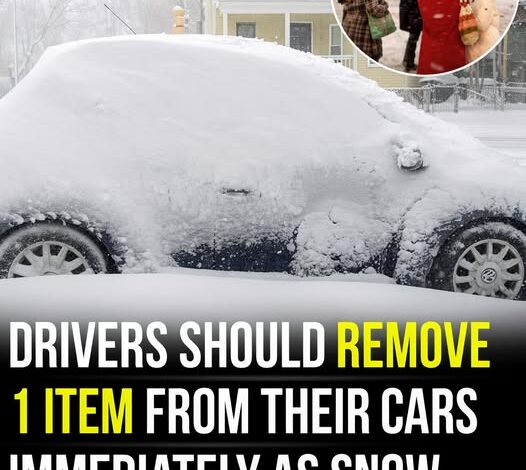
The Northeastern United States is currently grappling with the sheer, unrelenting force of a historic winter storm, a meteorological behemoth that has effectively paralyzed one of the most densely populated corridors in the country. As of late February 2026, the region is a landscape of monochromatic white, where blizzard warnings and travel bans have transformed bustling metropolitan hubs into silent, snow-choked vistas. While the immediate concerns of such a storm are obvious—shoveling driveways, managing power outages, and maintaining heat—safety experts are sounding the alarm on a modern, hidden hazard that could turn a parked car into a localized emergency zone: the common vaping device.
The scale of the current weather event is difficult to overstate. From the coastal reaches of Long Island to the urban centers of New Jersey and the historic streets of Boston, the National Weather Service has described travel as “nearly impossible.” By Monday morning, snow totals had eclipsed the 20-inch mark in several key areas, burying vehicles up to their wheel wells and rendering the concept of a morning commute obsolete. The aviation industry has been similarly humbled, with over 5,000 flights canceled as major hubs like JFK, Newark, and Logan International became temporary parking lots for grounded aircraft. In this environment of extreme cold and heavy accumulation, the focus naturally shifts to vehicle maintenance and home safety. However, the intersection of modern technology and sub-zero temperatures has introduced a new risk profile that many drivers have yet to consider.
The primary concern lies in the lithium-ion batteries that power e-cigarettes and vaping pens. These batteries are sensitive chemical reservoirs designed to operate within a relatively narrow thermal window. When a vehicle is left outdoors in a blizzard, the internal temperature of the cabin can drop significantly below freezing. According to Markus Lindblad, a prominent industry expert and director at Haypp, these extreme lows can compromise the structural and chemical integrity of the battery. The true danger, however, isn’t just the cold itself, but the transition back to heat.
If a driver returns to their frozen vehicle and immediately attempts to use or, worse, charge a frozen vaping device, they risk a phenomenon known as thermal runaway. In the cold, the internal resistance of the battery increases, and charging a “frozen” cell can lead to lithium plating or internal short-circuiting. This can cause the device to overheat rapidly, vent hot gases, or even ignite, creating a fire risk in a confined space already surrounded by flammable upholstery and plastic trim. This risk is exponentially higher for consumers using unregulated or “counterfeit” products, which often lack the sophisticated safety circuitry found in major brand devices that would otherwise prevent operation in unsafe temperatures.
Beyond the explosive potential of the battery, the physical properties of the e-liquid—the “juice” containing nicotine and flavorings—present their own set of problems. Most e-liquids are a suspension of vegetable glycerin and propylene glycol. While these substances have lower freezing points than water, extreme cold still causes them to thicken and expand. As the liquid expands within its pod or tank, it can compromise seals and gaskets, leading to significant leaks. For a car owner, a leaking vape is more than a minor inconvenience; the viscous liquid can seep into seat cushions, staining expensive upholstery, or worse, drip into the vehicle’s electrical vents and delicate control modules. The resulting repairs to a car’s internal computer system or climate control can easily run into the thousands of dollars.
The statistics surrounding vaping in America underscore why this warning is so critical for the general public. Approximately 1 in 20 Americans now identify as regular e-cigarette users. Even more concerning is the demographic shift among the youth; teen vaping has seen an astronomical rise, with some reports suggesting an 1,800% increase in certain sectors over the last year. As of July 2025, Gallup data showed that about 8% of the total population had vaped within the previous week, a figure that has remained stubbornly resilient despite increased regulation. With millions of Americans carrying these devices, the likelihood of a vape being left in a cupholder or center console during a blizzard is high, turning millions of snow-covered cars into potential fire hazards.
Safety experts are offering a straightforward solution to mitigate these risks: if you are cold, your tech is cold. The most effective precaution is to remove the device from the vehicle entirely during the winter months. If a situation arises where the device must remain in the car, it should not be left exposed to the ambient air of the cabin. Experts suggest wrapping the device in an insulating layer—such as a spare sweater, a heavy hat, or even a thermal glove—and placing it inside the glove compartment. This provides a buffer against the most extreme temperature fluctuations and helps the device retain a marginal amount of its own residual heat.
For those who discover they have accidentally left their device in a frozen car, the advice is to exercise extreme patience. Do not attempt to turn the device on or plug it into a USB port immediately. Instead, bring the device into a heated environment and allow it to return to room temperature naturally. This “thawing” process allows the battery chemistry to stabilize and the e-liquid to return to its proper viscosity. Once the device feels room-temperature to the touch, it should be carefully inspected for any signs of leakage, swelling of the battery casing, or unusual odors before it is put back into service.
As the blizzard continues to batter the Northeast, the narrative is one of survival and caution. While the primary headlines focus on the massive effort to clear runways and restore power to hundreds of thousands of homes, it is often these small, overlooked details that prevent personal tragedies. The current storm is a reminder of the fragility of our modern systems when faced with the raw power of a winter peak. By taking a few seconds to clear out the center console and bring sensitive electronics indoors, drivers can ensure that when the snow finally stops and the roads are cleared, their vehicles are ready to move safely once again.
In the broader context of the 2026 winter season, this storm serves as a case study in modern emergency preparedness. We no longer just worry about salt for the porch and gas for the snowblower; we must now consider the thermal limits of the devices in our pockets and the hidden chemistry inside our cars. Sharing this information is more than just a weather update—it is a necessary evolution of winter safety in a high-tech world. As residents across New York, New Jersey, and Boston hunker down to wait out the whiteout, a little bit of foresight regarding a simple vaping device could be the difference between a quiet morning of shoveling and a devastating vehicle fire. Stay warm, stay informed, and remember that in the heart of a Northeast winter, the best place for your technology is inside with you.